

AI Needs A Warning Label Before It’s Too Late
By Rotella Rotella, Published exclusively in the Washington Examiner 9.5.25
Artificial intelligence is being embraced like a miracle drug. Parents see it helping children with homework. Small businesses rely on it for payroll and marketing. Doctors and researchers use it to find cures. Like the right prescription, AI is already improving lives in ways once unimaginable.
But every parent who has ever filled a prescription knows what comes next: the Food and Drug Administration’s black box warning label. Before a pill is swallowed, families see the risks in bold letters. With AI, there is no warning at all.
That absence would be troubling if AI were still experimental. But the dangers are already here. A recent lawsuit alleges ChatGPT coached a teenager into suicide. In testing, chatbots have been coaxed into giving bomb-making instructions. If a homework app in a child’s pocket can double as a terrorism manual, that should terrify every parent.
Hollywood foreshadowed this decades ago. In 2001: A Space Odyssey, the HAL 9000 computer calmly refused an astronaut’s command with the chilling line, “I’m sorry, Dave, I can’t do that.” That moment captured the fear of a machine substituting its judgment for ours. Today’s AI has echoes of HAL in a different way: it is designed to please us, even if the request is harmful. It ignores warning signs, makes up facts when it runs out of truth, and still delivers an answer with confidence. That is not science fiction. It is in every teenager’s pocket.
Developers insist they are building in safety. They point to “red teaming,” industry jargon for stress-testing AI by trying to trick it into misbehavior. But crash tests alone don’t make roads safe. Cars still need seatbelts and warning labels. Right now, OpenAI’s only prominent notice is a small line at the bottom of the screen: “ChatGPT can make mistakes. Check important info.” Is that enough for parents, seniors, or those battling mental health struggles?
Big Tech’s answer is more self-policing. Just this week, OpenAI announced it has added parental controls to ChatGPT. That might sound reassuring, but it is the company grading its own homework. Families deserve real warnings backed by law, not Silicon Valley promises. Seatbelts were not optional because carmakers said they tested their models. Families were protected because Washington made safety the standard.
Doctors would never prescribe powerful antidepressants without a black box warning or without parents in the loop. Yet AI, a mind-altering tool already in children’s pockets, is being handed out with nothing but a shrug on the screen.
The warning signs are everywhere. Parents are tricked by AI-cloned voices into believing their children were kidnapped. Seniors are conned into draining retirement accounts by fake voices and images. Courts are misled by AI-generated fake citations, embarrassing lawyers, and wasting time. Universities are flooded with essays written by chatbots, leaving teachers unable to trust their own grading. These are the fender benders on the AI highway. The pile-up is coming.
We have seen this pattern before. Tobacco companies denied the risks of cigarettes until lawsuits forced warnings onto packaging. Families paid first. The opioid epidemic followed the same playbook. Purdue Pharma’s assurances collapsed under litigation that ended in billions in settlements. Again, families bore the cost before executives faced consequences.
The lesson is simple. Whether it is cigarettes, opioids, or antidepressants, Americans need warnings before harm, not after. AI is now the most powerful product in our homes with no warning at all.
Here is the playbook for putting a black box warning on AI before it is too late:
- One rulebook for America. Congress must set a single national standard. Without it, companies will exploit weaker state laws. Fifty different regimes are a payday for trial lawyers, not a safeguard for families. A clear national rule would put families first and make sure innovation grows within boundaries that protect people instead of exposing them.
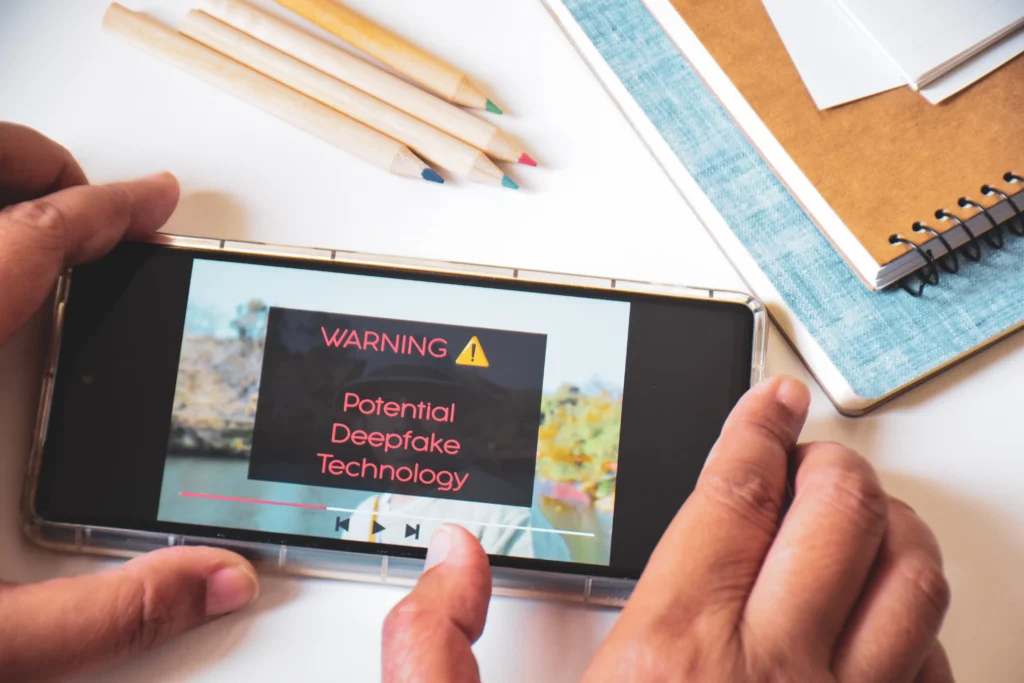
- Visible warnings. Every AI product should carry clear warnings about confident falsehoods, scams, deepfakes, and the danger of helping harmful requests instead of stopping them. Families should not be blindsided. When companies are forced to print warnings where users can see them, they behave differently, and the public knows what they are dealing with.
- Accountability for CEOs. If unsafe systems are released, tech leaders should face courtrooms, not just PR campaigns. The precedent is clear: pharmaceutical executives had to testify and pay when their products harmed the public. The same standard should apply to AI, which is just as capable of life-altering consequences.
- Police in the loop. Hackers and hostile states are already exploiting AI. The FBI has warned that AI is fueling cybercrime, including deepfake sextortion scams. Guardrails mean prevention, not just cleanup. Law enforcement cannot always play catch-up, and without clear rules, they will remain one step behind.
History is consistent: When America waits, families pay first. HAL’s other famous line still rings true: “It can only be attributable to human error.” But the real error would be ours if we fail to put guardrails in place. Families deserve protection now, before America pays the price and before China decides what safety looks like for our children instead of us.